You have 3 items in your cart


Sub Total :$63.66

Every industry has buzzwords and terms that consumers need to know to best understand the value of a product. The financial industry has stocks, bonds, IRAs and 401ks, just to name a few. The automotive industry deals with manufacturer’s suggested retail prices, powertrains and serpentine belts.
The solar energy industry has its own lingo that’s helpful to understand. As you do your homework and begin to understand solar energy and its many benefits, knowing what the following terms mean will help immensely.
Solar Ignite breaks them down into easily-digestible terms.
PV systems: PV stands for photovoltaic, which means turning light into electricity. A PV system, then, is your solar panel-powered system that turns sunlight into electricity. PV systems are typically installed on your roof, though they don’t have to be. More on that later.
Net metering: The excess electricity produced by your solar system will be pushed back to the power grid for a credit in a process called net metering. Solar customers generally have the best chance for producing the most excess electricity in the summer because days are longer and panels have more time to produce energy. Net metering rates can vary, so check with your power provider to determine your rate.
Inverter: The inverter is a device that takes the direct current electricity produced by your solar panels and turns it into alternating current electricity, the type used to power homes. Think of an inverter’s job almost as a speech translator or movie director. The inverter converts the electricity into a form in which your house can understand. It also pushes the electricity into the channels where it needs to go. The inverter comes as part of your installed solar system.
Offset: Your solar panels will offset, or compensate for, the total amount of electricity used by your home. Because solar energy can only be produced in daylight hours, it is difficult for your solar system to provide all the energy your home needs at all times, especially when many people are home in the evening hours and in need of power to watch TV, do the laundry or run your dishwasher. The greater number of solar panels you get, the more your system will offset your total needs from the power company.
Degradation: Because of the effects of ultraviolet light and weather cycles, solar panels naturally lose some of their effectiveness over time. That process is called degradation, and solar panel companies account for it in their warranties. The typical guarantee is that panels will produce electricity at least at 85 percent of original capacity at the end of the 25-year warranty period. That means your panels are allowed to lose around 0.5 percent capacity per year while they’re working for you. In a perfect world, there would be no degradation, but real-world factors are already built into this equation. No panel is immune from degradation.
Modular: Solar panels are modular, meaning they can be configured into patterns according to your wishes. Most arrays that get installed are in rows of two or three, depending on the size of the roof. If you want to start small with your solar project, know that you can always add more panels, provided you have the space to do it. However, it may be the most cost effective to get it done all at once.
Monocrystalline Solar Panel: A type of highly efficient, high output solar panel made of a singular crystal that allows electrons to more freely move and create electrical current.
Tier 1 solar panel: A term used by BloombergNEF to describe PV module manufacturers based on their bankability. The list includes only manufacturers who own productions facilities and sell under their own brands. This term says less about the quality of the solar panel itself and more about the strength and reputation of the manufacturer. Solar Ignite uses Tier 1 solar panels.
Sunlight Backup: Without the need to install a battery, a Sunlight Backup system keeps crucial appliances functioning during a grid outage. Because of this, Sunlight Backup systems are the best choice for homes seeking affordable daytime grid outage protection. Additionally, Sunlight Backup systems make future battery additions considerably simpler than Solar Only systems because they already have the IQ System Controller 2, which is necessary for Home Essentials Backup.
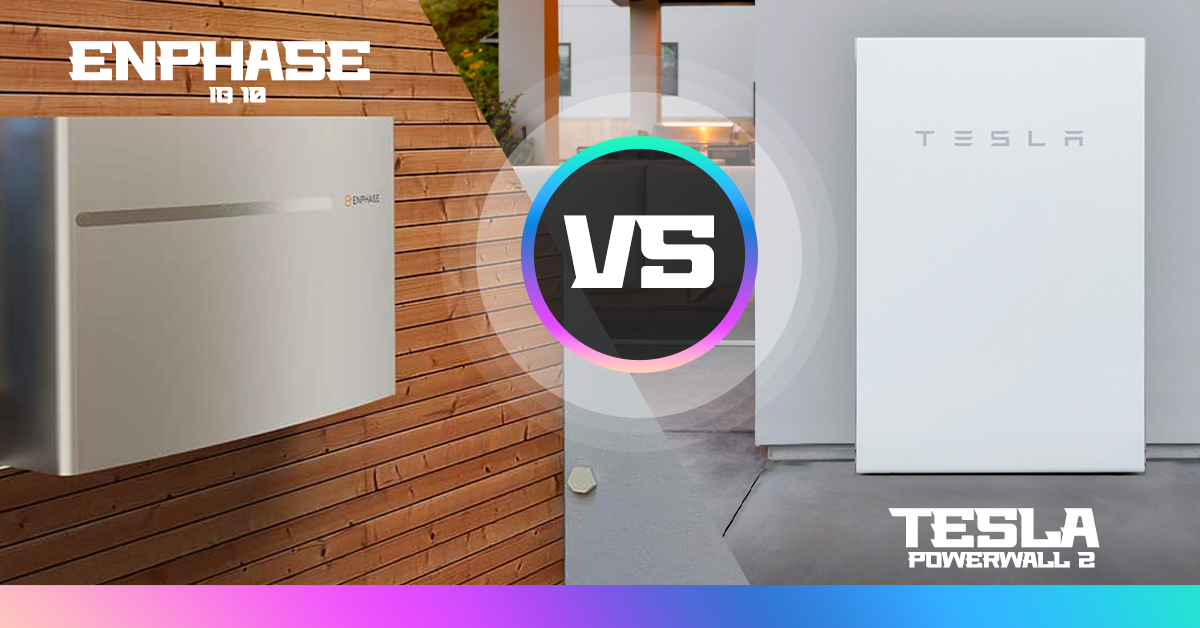
Battery-plus-storage: Battery-plus-storage systems are those where excess energy is stored for use in night hours when no energy is being produced by your solar panels. The battery provides the energy to use that stored energy, further trimming your reliance on the power company. While battery-plus-storage systems are getting cheaper for consumers, they still add significant expense to your solar system. Net metering still provides a way for consumers to be compensated for excess energy produced without that additional cost.
Ground-mount systems: Ground-mounted systems are available for customers who either don’t want solar systems placed on their roof or want to use excess land for solar production. They are exactly as they sound — solar systems that are mounted into the ground, but work the same as a rooftop array.
If you’re looking for a modular PV system that benefits from net metering and want it installed on either your roof or as part of a ground-mounted system, remember that your inverter provides the type of energy your home needs to offset the amount of your total power consumption.
Kilowatt hour (kWh): A kWh is a unit of measurement for your hourly energy use, whereas a kW is a unit of power. Your electricity company bills you according to the number of kilowatt hours you use (kWh).
Grid:A connected system of energy distribution over a large area, typically through a utility company, that is designed to provide electricity all the way from its generation to the customers that use it for their daily needs.
Grid Failure: Also known as a power outage, grid failure is the loss of an electricity network supply to a user; when electricity cannot be transmitted at its correct frequency, grid failure occurs.
Investment Tax Credit (ITC): Better known as the solar federal tax credit, is a tax incentive allowing homeowners and commercial business owners to deduct a percentage of the cost of installing a solar electricity system from their federal taxes. The 30 percent tax credit will be available until 2033, at which point it will drop to 26 percent. The ITC applies to both residential and commercial systems, and there is no cap on its value.
With Solar Ignite’s innovative solar approach, homeowners can go solar for $0 up-front cost, save money on their electric bills, and generate their own clean energy.
Switch to solar energy in Virginia with Solar Ignite Group, where you can take advantage of a number of significant benefits, including savings, dependability, backup solutions for grid outages, renewable energy, increased property value, and much more, all with no heavy lifting responsibility on your end.
Discover how you can take control of your residential power with zero up-front
out-of-pocket expenses and save big.